Editors Note: This blog is part of a series of guest contributors from the National school-based agricultural education family. Ms. Jillian Gordon is a current graduate student at the University of Georgia in Agricultural Leadership, Education & Communications in the College of Agricultural and Environmental Sciences. She is 2015 graduate of the Penn State Agricultural Education having completed her student teaching at Ridgemont High School in Ridgeway, Ohio. She is a past Pennsylvania State FFA Officer and graduate of the Twin Valley High School Agriscience Program.
At 23 years of age, I didn’t think I would start a piece with a sentence like “back in my day…” but here we are. When I was in high school, five short years ago, cell phones were off limits. I had peers who regularly ended up in the principal’s office having to explain exactly why the text they were sending was so darn important. Bringing your laptop to school was basically unheard of as well, the wifi connection was strictly off limits to students and teachers weren’t even trusted with the knowledge to be able to log on on their own accord, their laptops needed to be set up by someone in the tech department.
Today, however, more and more schools are adopting open cell
phone policies and not only allowing students to bring in laptops but providing
them. And while technology use is expanding, it could be argued that purposeful and meaningful use of technology in the classroom is not.

Education is one of the only professions where slow technology
adoption is acceptable. I’ve seen even some of the most innovative and talented
teachers unwilling to make the dive into implementing technology into their
classroom. It’s much like a new fashion trend (bear with me for a moment
fellas) that looks great in magazines, but you’re not willing to try it
yourself. “I mean, it looks like it works great in THEIR classroom, but I just don’t
think I can pull it off in my classroom.” Sound familiar?
Agricultural education classrooms are especially susceptible to this mindset. With hands-on, lab based classes it is a common conception that blended learning just doesn't fit the experiential learning model of agricultural education. I am here to tell you, from experience, that this sentiment is straight up wrong.
This post aims to talk about blended learning in the agricultural education classroom. Blended learning, doesn’t have a specific, succinct definition,
but the folks over at TeachThought gave it a try anyway.
“Defining hybrid or blended education is a trickier task than one might think–opinions vary wildly on the matter. In a report on the merits and potential of blended education, the Sloan Consortium defined hybrid courses as those that “integrate online with traditional face-to-face class activities in a planned, pedagogically valuable manner.” Educators probably disagree on what qualifies as “pedagogically valuable,” but the essence is clear: Hybrid education uses online technology to not just supplement, but transform and improve the learning process.
That does not mean a professor can simply start a chat room or upload lecture videos and say he is leading a hybrid classroom. According to Education Elements, which develops hybrid learning technologies, successful blended learning occurs when technology and teaching inform each other: material becomes dynamic when it reaches students of varying learning styles. In other words, hybrid classrooms on the Internet can reach and engage students in a truly customizable way. In this scenario, online education is a game changer, not just a supplement for status quo. But what does this theoretical model actually look like in practice?”
There are MANY ways to blend your classroom, including
flipping the classroom, which is another awesome method, but not one I am going
to address here. If you're interested, definitely check out Edutopia for some great resources.
One common misconception is that online learning strips a classroom of its environment of inquiry, but after watching a group of equine science students approaching me after learning about body systems, completely on their own accord, and say to me "Ms. Gordon, we passed those tests and finished our project, but we don't really think we really learned what we needed to, do you think we could do a dissection?"
 |
| Pig Dissection prompted by the students |
After I picked my jaw off the floor (my only reaction to a group of high school students truly wanted to do MORE than assigned to reach mastery), we contacted the local butcher, got ahold of the internal organs of a pig and later that week, the students were using information they gathered on their own about how to dissect and identifying the organs and body parts their learned a few days earlier. That's when I realized the potential for blended learning to foster inquiry is huge, and I couldn't help but share the love.
Because everyone loves lists nowadays, I went
ahead and created TWO for this post (you can thank me later). These are specific
ways for the 2016 Penn State Student Teacher Candidates to tinker with
technology at their cooperating centers in the Spring, however, I think they
can be applicable for anyone looking to blend!
First, let’s talk about the advantages of going blended.
1. You’ll increase your capacity as a teacher
By using curriculum from iCEV, I was able to teach five
different class pathways in ONE class period. By offering your content online,
as opposed to only in class and only through you, you can expand the choices
that you are able to offer your students.
1 2. You’ll increase your ability to easily
differentiate.
 To expand on the first point, offering your content online
also offers greater capacity for differentiation both when it comes to types of
content as well as the level of difficulty. Students move through content and assignments at their own pace, and you can work one on one with students to meet their individual learning needs.
To expand on the first point, offering your content online
also offers greater capacity for differentiation both when it comes to types of
content as well as the level of difficulty. Students move through content and assignments at their own pace, and you can work one on one with students to meet their individual learning needs.
2 3. You’ll get to know your students better
When you no longer are the “gatekeeper of knowledge” during
class time, this frees up the opportunity for you to meet with students one on
one or in small groups. They can ask you questions about content or an
assignment they may never have asked through a lecture or activity engaging the
entire class. This also gives you better feedback about what content is
sticking, what is not as well as identifying best practices for your individual
students!
Next, lets cover three tips for making the transition to
blended easy as pie!
1. Take the time to set context
The biggest mistake I made when trying out blended learning is making alot of assumptions. I assumed the students would understand everything I was saying, assumed they knew how to use the technology, etc. It is SO important to take the time to ensure you are using the utmost clarity with your students about expectations and procedures. It may feel as though you are using valuable instructional time, but if you do not go slowly on the front end, you will spend even more time throughout the class re-explaining things that you thought was covered weeks ago.
2. Be prepared for push back
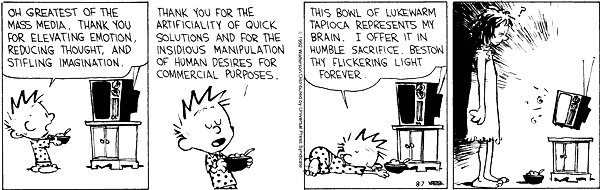 By far, the most confusing learning moment for me was understanding that just because this generation of students grew up with technology, doesn't mean they are dying for it in the classroom. I had many students, who after 11 years of being talked at in school followed by worksheets at home, took weeks to get used to or enjoy learning online. Often, students see technology as where they "have fun" (texting, playing games, etc) while school is NOT fun. I do not have a good piece of advice to combat this, because it is something I struggle with greatly myself. Anyone reading with ideas or feedback, please drop a note in the comments below!
3. Utilize your resources
The biggest limiting factor, in my opinion, of teachers adopting a blended learning classroom is believing that have to create all of the online videos, modules, etc themselves. This is simply not true! My cooperating teacher and I personally utilized iCEV, which has great agricultural education content. By no means was it as simple as "plug and play." Some days I did create or edit iCEV content on my own (check out this blog post about how I did that). Others, I found content from completely different courses. Finding content that fits your classroom does take time, but don't think you need to do all of it on your own!
One last piece of advice for the 2016 Student Teachers
before I am off of my soapbox, take risks! The reason I am so passionate about
this post is because I was given the opportunity during my student teaching to
take one big scare jump off of the educational diving board into the waters of
blended learning.
Did things go smoothly why I tried it? Nope.
Are there a lot of things I would have changed if I were to
do it again? You betcha.
But guess when I get to try it over again? In my own
classroom! Taking risks as a student teacher not only set me up to continue
taking risks as an educator, but allowed by cooperating teacher to finally try
something out in her classroom that she had been planning for years. Sounds
like a win-win to me!
If you have more questions about my experience developing
the class and working with iCEV, you can check out a few of my blog posts from
student teaching, or feel free to reach out via Twitter @jillianpsu!
Submitted by:
Jillian Gordon
Graduate Student
University of Georgia
@jillianpsu
https://travelingteachertales.wordpress.com/
jilliangordon@uga.edu
Submitted by:
Jillian Gordon
Graduate Student
University of Georgia
@jillianpsu
https://travelingteachertales.wordpress.com/
jilliangordon@uga.edu
